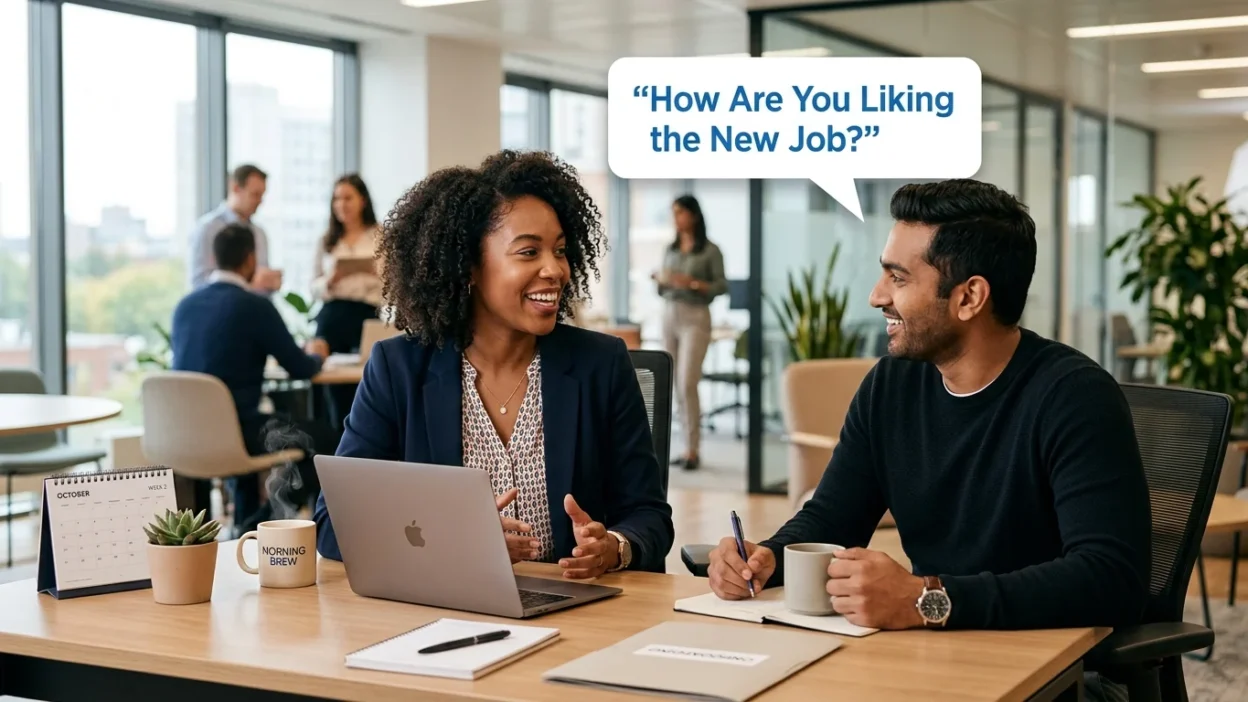
Starting a new job can bring a mix of excitement, nerves, challenges, and new experiences. When someone asks, “How are you liking the new job?”, they are usually showing interest in how things are going and giving you an opportunity to share your first impressions. Your reply can be professional, casual, funny, positive, or honest depending on who is asking.
The best response depends on your relationship with the person and how you genuinely feel about your new workplace. If you are loving the new role, still adjusting, or having mixed feelings, these best replies to “How are you liking the new job?” can help you keep the conversation natural and engaging.
1. “I’m Really Enjoying It So Far.”
This is a simple and positive response when your new position is going well.
Best for: Friends, coworkers, family, or professional contacts.
Alternative: “I’m really enjoying the new role so far.”
Examples:
“I’m really enjoying it so far. Everyone has been very welcoming.”
“It’s been great so far, and I’m learning a lot.”
2. “I Love It!”
When you are genuinely excited about your new job, keep your answer enthusiastic.
Best for: Casual conversations and close friends.
Alternative: “I’m absolutely loving it!”
Examples:
“I love it! The team is fantastic.”
“I’m loving it so far. It’s exactly the change I needed.”
3. “It’s Going Great.”
This is a short, confident response that works in many situations.
Best for: Casual or professional conversations.
Alternative: “Things are going really well.”
Examples:
“It’s going great. I’m settling in nicely.”
“So far, so good. I’m really happy with the move.”
4. “I’m Still Getting Settled In.”
Use this when you are new and haven’t formed a strong opinion yet.
Best for: When you need more time to adjust.
Alternative: “I’m still finding my feet, but it’s going well.”
Examples:
“I’m still getting settled in, but everyone has been helpful.”
“I’m learning the ropes and getting more comfortable every day.”
5. “So Far, So Good!”
This classic phrase is upbeat without making your answer overly detailed.
Best for: Friendly conversations.
Alternative: “No complaints so far!”
Examples:
“So far, so good! I’m enjoying the change.”
“So far, so good. The workload is manageable too.”
6. “I’m Learning a Lot.”
This response highlights professional growth rather than simply saying whether you like the job.
Best for: Networking and workplace conversations.
Alternative: “It’s been a great learning experience.”
Examples:
“I’m learning a lot, especially about project management.”
“It’s challenging, but I’m picking up new skills every day.”
7. “The Team Is Great.”
If your favorite part of the new job is the people, mention them.
Best for: Positive workplace conversations.
Alternative: “I’ve really enjoyed working with the team.”
Examples:
“The team is great. They’ve made the transition much easier.”
“I really like my coworkers. Everyone has been supportive.”
8. “It’s Different, but in a Good Way.”
This is useful when the new workplace differs from your previous job.
Best for: Comparing two work environments tactfully.
Alternative: “It’s definitely different from my old job, but I like the change.”
Examples:
“It’s different, but in a good way. There’s more room to be creative.”
“The environment is different, but I’m enjoying the new experience.”
9. “I Think I Made the Right Choice.”
This answer shows confidence in your career decision.
Best for: Friends, family, and former coworkers.
Alternative: “I’m glad I decided to make the move.”
Examples:
“I think I made the right choice. I’m much happier here.”
“I’m really glad I took the opportunity.”
10. “It’s Challenging, but I Like It.”
Not every new job is easy. This response honestly acknowledges the learning curve.
Best for: Honest but positive conversations.
Alternative: “It’s definitely challenging, but I’m enjoying the challenge.”
Examples:
“It’s challenging, but I’m learning something new every day.”
“The workload is a little intense, but I like being challenged.”
11. “I’m Getting the Hang of Things.”
This sounds natural when you are becoming more comfortable in your position.
Best for: Casual conversations.
Alternative: “I’m starting to get into the groove.”
Examples:
“I’m getting the hang of things now.”
“It took a little time, but I’m finally getting into the routine.”
12. “I’m Happy With It So Far.”
This is positive without sounding exaggerated.
Best for: Professional and casual settings.
Alternative: “I’m pretty happy with how things are going.”
Examples:
“I’m happy with it so far. The role suits me well.”
“I’m pretty happy with the new position.”
13. “It’s Been a Great Change.”
Use this when moving jobs has given you a refreshing new experience.
Best for: People who know about your previous job.
Alternative: “The change has been really good for me.”
Examples:
“It’s been a great change. I needed something different.”
“The new environment has been refreshing.”
14. “I’m Still Figuring It Out.”
Sometimes you simply need more time before deciding whether you like a job.
Best for: Honest conversations with trusted people.
Alternative: “I’m still forming an opinion.”
Examples:
“I’m still figuring it out, but there are definitely some things I like.”
“It’s too early to tell, but I’m giving it a fair chance.”
15. “I’m Enjoying the Work.”
This response focuses on the actual responsibilities of your role.
Best for: Professional conversations.
Alternative: “I really like the work I’m doing.”
Examples:
“I’m enjoying the work. It’s more interesting than I expected.”
“I really like the projects I’ve been assigned.”
16. “It’s Been Better Than I Expected.”
This is a warm and slightly enthusiastic answer.
Best for: Friends and family.
Alternative: “Honestly, it’s exceeded my expectations.”
Examples:
“It’s been better than I expected. The culture is really nice.”
“Honestly, I’m pleasantly surprised by how much I enjoy it.”
17. “I’m Excited About the Opportunities.”
This answer emphasizes future career growth.
Best for: Managers, mentors, and professional contacts.
Alternative: “I’m excited about where this role could take me.”
Examples:
“I’m excited about the opportunities to grow here.”
“There seems to be a lot of room for professional development.”
18. “I’m Adjusting to the New Routine.”
A new job often means different hours, responsibilities, and expectations.
Best for: When you’re still adapting.
Alternative: “I’m still getting used to the new routine.”
Examples:
“I’m adjusting to the new routine, but it’s going well.”
“The schedule is different, so I’m still getting used to it.”
19. “I’m Enjoying the Work-Life Balance.”
If your new job has improved your personal time, this is a great response.
Best for: Friends, family, or trusted colleagues.
Alternative: “The work-life balance has been a big improvement.”
Examples:
“I’m really enjoying the better work-life balance.”
“Having more predictable hours has made a huge difference.”
20. “I’m Glad You Asked!”
This response is friendly and invites a longer conversation.
Best for: Friends and people who genuinely care about you.
Alternative: “I’m glad you asked—I’ve got a lot to tell you!”
Examples:
“I’m glad you asked! There’s been a lot to learn.”
“I’m glad you asked. Overall, I’m really enjoying it.”
21. “Honestly, I’m Loving It.”
This sounds warm, genuine, and conversational.
Best for: Informal conversations.
Alternative: “Honestly, I couldn’t be happier with it.”
Examples:
“Honestly, I’m loving it. The people are amazing.”
“I’m honestly enjoying every day so far.”
22. “It’s a Work in Progress.”
Use this when your experience is mixed.
Best for: When things are neither great nor terrible.
Alternative: “I’m still seeing how things develop.”
Examples:
“It’s a work in progress, but I’m staying positive.”
“There are some good things and some challenges, so we’ll see.”
23. “I’m Getting There!”
This is a lighthearted way to say you’re adjusting.
Best for: Casual conversations.
Alternative: “I’m getting there—slowly but surely!”
Examples:
“I’m getting there! I know where everything is now.”
“I’m getting there. The first few weeks were definitely a learning curve.”
24. “It’s Keeping Me Busy!”
This is a casual answer when your job has plenty of work.
Best for: Light conversations.
Alternative: “It definitely keeps me on my toes!”
Examples:
“It’s keeping me busy, but I like having plenty to do.”
“It keeps me on my toes, that’s for sure.”
25. “I’m Enjoying the Challenge.”
This response frames difficult work as a positive opportunity.
Best for: Professional settings and networking.
Alternative: “I’m enjoying being pushed outside my comfort zone.”
Examples:
“I’m enjoying the challenge. It’s helping me grow professionally.”
“It’s demanding, but I like the opportunity to develop new skills.”
26. “Ask Me Again in a Few Months!”
This humorous answer works when you are too new to know how you really feel.
Best for: Friends and informal conversations.
Alternative: “Give me a little more time before I give my final review!”
Examples:
“Ask me again in a few months—I’m still learning where everything is!”
“Give me 90 days and I’ll have a full review for you.”
27. “I’m Happy I Took the Leap.”
This is ideal when changing jobs required courage or a major decision.
Best for: Friends, family, and former colleagues.
Alternative: “I’m really glad I took the chance.”
Examples:
“I’m happy I took the leap. It’s been a great experience.”
“I was nervous about changing jobs, but I’m glad I did it.”
28. “It’s Not Perfect, but I Like It.”
This gives an honest and balanced impression.
Best for: Trusted friends and family.
Alternative: “There are some things I’d change, but overall I’m happy.”
Examples:
“It’s not perfect, but I definitely like it more than my old job.”
“There are a few challenges, but overall I’m enjoying it.”
29. “I’m Actually Pretty Excited About It.”
This is an energetic response without sounding overly formal.
Best for: Casual and semi-professional conversations.
Alternative: “I’m really looking forward to what comes next.”
Examples:
“I’m actually pretty excited about it. There’s a lot to learn.”
“I’m excited to see where this opportunity takes me.”
30. “I’m Really Happy With the Move.”
This is an excellent all-purpose answer when you’re pleased with your career change.
Best for: Former coworkers, friends, professional contacts, and family.
Alternative: “I’m really glad I made the switch.”
Examples:
“I’m really happy with the move. It’s been a positive change.”
“I’m glad I made the switch. The role is a much better fit for me.”
FAQs:
1. What is a good reply to “How are you liking the new job?”
A simple response is, “I’m really enjoying it so far. The team has been great, and I’m learning a lot.” It sounds friendly, positive, and natural.
2. How do I respond if I don’t like my new job?
You can stay honest without being overly negative. Try saying, “I’m still adjusting, and there are some things I’m getting used to.” This leaves room for a balanced conversation.
3. What is a professional response to “How are you liking the new job?”
Try: “I’m enjoying the role so far. There’s been a lot to learn, but I’m excited about the opportunities ahead.” This works well with managers, colleagues, and professional contacts.
4. How can I answer if I am still unsure about the job?
You can say, “I’m still getting settled in, so I’m giving myself some time to get a feel for everything.” It is honest while remaining positive.
5. Can I give a funny response to “How are you liking the new job?”
Absolutely. For example: “Ask me again after I’ve survived the probation period!” Another playful option is, “So far, my coffee and I are both still employed!”
Conclusion
The best replies to “How are you liking the new job?” depend on how you actually feel and who is asking. You can give a short answer such as “It’s going great,” share more detail about your coworkers and responsibilities, or use humor when the conversation is casual.
If you’re still adjusting to your new workplace, you don’t need to pretend everything is perfect. A balanced response can be both honest and optimistic. Choose a reply that sounds like you, keeps the conversation comfortable, and reflects your genuine experience.

Levi Jack is a creative writer and conversation expert passionate about helping people communicate confidently. At ReplyCorner, he shares charming, witty, and engaging reply ideas that make everyday conversations more enjoyable and memorable.