A home should be comfortable, practical, and welcoming. Over time, however, rooms may begin to feel outdated, storage may become insufficient, and everyday needs may change. Modern home renovation tips can help homeowners update their living spaces while improving functionality, appearance, and long-term value. Whether you are planning a complete makeover or making a few smaller improvements, thoughtful decisions can make a noticeable difference.
Modern renovation is not simply about following the latest design trends. It involves creating spaces that suit your lifestyle, use available space efficiently, and remain attractive for years. Better lighting, practical storage, durable materials, and carefully selected colors can transform an ordinary room into a more enjoyable environment.
Before beginning a project, it is important to consider your budget, priorities, property condition, and future requirements. A clear plan helps prevent unnecessary expenses and makes the renovation process easier to manage. With the right preparation, even modest changes can create a fresh and comfortable home.
Plan Your Renovation Around Your Needs
Every successful renovation begins with a clear understanding of what needs to change. Before choosing paint colors, furniture, or decorative features, examine how each room is currently used. Consider which areas feel uncomfortable, where storage is limited, and which features no longer meet your daily requirements.
Start by creating a list of priorities. For example, a family may need a larger kitchen workspace, while someone working from home may want a quieter office area. A growing household might benefit from additional storage or a more flexible living room. Identifying these needs helps ensure that renovation decisions solve real problems instead of focusing only on appearance.
Next, establish a realistic budget. Include the cost of materials, labor, transportation, equipment, permits where required, and possible unexpected repairs. It is sensible to keep some money aside for unforeseen expenses because older properties may contain hidden plumbing, electrical, or structural issues.
Measure rooms carefully before purchasing furniture or building materials. Accurate measurements help prevent problems with doorways, cabinets, flooring, and appliances. They also make it easier to plan furniture placement and maintain comfortable movement throughout the home.
Finally, decide which projects should happen first. Structural repairs, electrical work, plumbing improvements, and other essential tasks should generally take priority over decorative upgrades. A well-organized plan saves time and reduces the chance of repeating work.
Create a Modern Look With Colors and Materials
Color and material choices have a major influence on the appearance of a home. Modern interiors often use balanced color combinations, natural textures, and simple finishes to create spaces that feel open and comfortable.
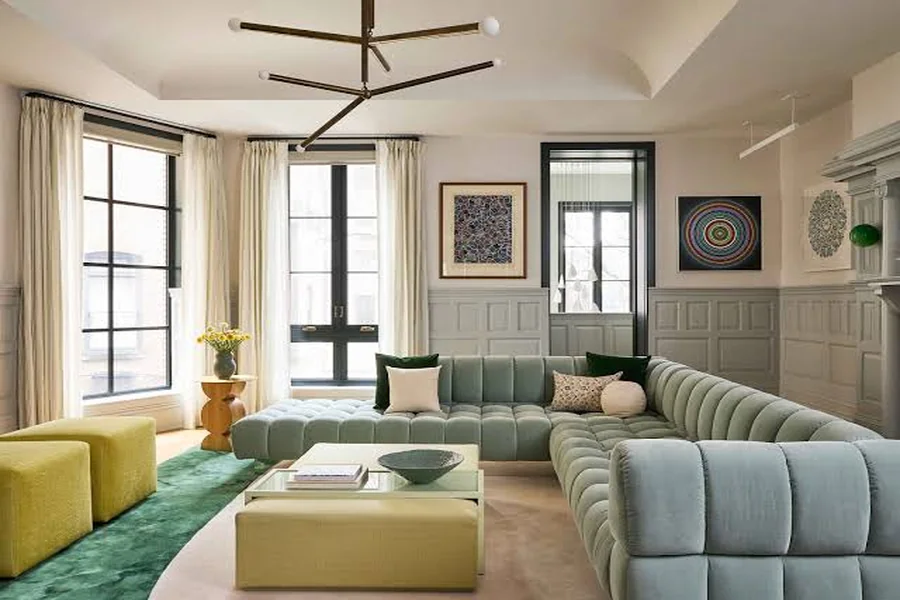
Neutral shades such as white, beige, warm gray, and soft cream can provide a flexible foundation. These colors work well in living rooms, bedrooms, and hallways because they create a calm background for furniture and decorative details. However, modern design does not need to be completely neutral. Deep green, navy blue, muted terracotta, or other accent colors can introduce personality without overwhelming a room.
Natural materials can also make interiors feel more welcoming. Wood, stone, bamboo, and textured fabrics add visual interest and warmth. For example, wooden shelves can soften a room with white walls, while stone-inspired surfaces can give a kitchen or bathroom a refined appearance.
Flooring deserves careful consideration because it affects both style and everyday maintenance. Depending on the room and budget, homeowners may choose hardwood, engineered wood, ceramic tiles, porcelain tiles, or quality vinyl flooring. Kitchens and bathrooms require materials that can handle moisture and regular cleaning.
When selecting finishes, think beyond appearance. Consider durability, maintenance requirements, availability, and suitability for the local climate. A beautiful material may not be the best choice if it becomes difficult to maintain or wears out quickly.
Improve Lighting, Ventilation, and Energy Efficiency
Lighting can completely change how a room looks and feels. A dark space may appear smaller and less welcoming, while a well-lit room often feels more open and comfortable. Renovation is an excellent opportunity to improve both natural and artificial lighting.
Start by making better use of natural light. Keep windows unobstructed where possible, choose suitable window treatments, and use lighter wall colors to help distribute daylight. Mirrors can also reflect light and create the impression of additional space when placed thoughtfully.
Artificial lighting should serve different purposes. General lighting provides overall brightness, task lighting supports activities such as cooking or reading, and accent lighting highlights artwork, shelves, or architectural features. Combining these types creates a more flexible environment than relying on a single ceiling fixture.
Ventilation is equally important. Proper airflow helps reduce indoor moisture, cooking odors, and uncomfortable temperatures. Kitchens and bathrooms may require suitable exhaust systems, while windows and ventilation openings can support natural airflow when conditions allow.
Energy efficiency can also be improved during renovation. Consider LED lighting, efficient appliances, appropriate insulation, and well-sealed windows and doors. These upgrades may reduce energy consumption and improve indoor comfort.
In warmer climates, window shading, reflective roofing materials, ceiling fans, and effective ventilation can help manage indoor heat. The most suitable improvements depend on the building’s design, local weather, and available resources.
Upgrade Kitchens and Bathrooms for Better Functionality
Kitchens and bathrooms are among the most frequently used areas of a home. Updating these spaces can improve daily convenience while giving the property a cleaner and more modern appearance.
A practical kitchen renovation should begin with layout and workflow. The refrigerator, sink, and cooking area should be positioned so that everyday tasks can be completed comfortably. Adequate countertop space is also important for food preparation and small appliances.
Cabinet storage can make a significant difference. Deep drawers, adjustable shelves, pull-out organizers, and corner storage solutions help use available space more effectively. If a complete cabinet replacement is unnecessary, repainting existing cabinets and changing their handles may provide a fresh look at a lower cost.
Bathroom improvements should focus on comfort, safety, moisture control, and easy maintenance. Modern faucets, efficient shower fittings, practical vanities, and well-designed storage can improve the room without requiring major structural changes. Slip-resistant flooring is particularly useful for households with children, older adults, or anyone who needs additional stability.
Lighting and ventilation should not be overlooked in either room. Good task lighting makes kitchen preparation easier, while suitable bathroom ventilation helps control humidity. Waterproof materials and properly installed plumbing fixtures can also reduce the risk of future damage.
Before changing plumbing or electrical systems, consult qualified professionals. Incorrect installation can create safety risks and lead to expensive repairs.
Make Small Spaces More Functional and Comfortable
Not every home has large rooms or generous storage areas. Fortunately, thoughtful design can make smaller spaces feel more organized and comfortable.
Multifunctional furniture is a useful solution. Sofa beds, storage benches, foldable tables, and beds with built-in drawers can serve several purposes without taking up unnecessary space. These options are especially helpful in apartments, guest rooms, and compact bedrooms.
Vertical storage can also improve organization. Wall-mounted shelves, tall cabinets, and hanging organizers make use of areas that might otherwise remain empty. Keeping frequently used items within easy reach while storing occasional belongings higher up can make everyday routines more convenient.
Furniture placement matters as much as furniture size. Avoid overcrowding rooms with oversized pieces, and leave enough space for people to move comfortably. A clear walkway can make even a small living area feel more spacious.
Mirrors, light colors, and consistent flooring can create a sense of visual continuity. Using too many different finishes or decorative patterns may make a compact room feel crowded. Instead, choose a few complementary materials and repeat them throughout the space.
Storage should also be planned around actual habits. Entryway cabinets can hold shoes and everyday accessories, while bedroom organizers can reduce clutter. In living rooms, closed storage helps keep electronic devices, books, and household items organized.
Choose Durable Features and Work With Skilled Professionals
A modern renovation should look attractive while remaining useful over time. Choosing durable materials and reliable workmanship can reduce maintenance costs and prevent avoidable problems.
Before selecting products, compare their quality, warranties, maintenance requirements, and suitability for the intended room. Flooring, paint, countertops, plumbing fixtures, and cabinet hardware all experience different levels of daily use. Materials should be selected according to their purpose rather than appearance alone.
Hiring experienced professionals is particularly important for structural changes, roofing, electrical installations, and plumbing work. Ask for references, review previous projects, and request clear written estimates. Make sure the agreement explains the expected work, materials, payment schedule, and approximate completion timeline.
Communication is essential throughout the project. Discuss design decisions before work begins and confirm important measurements, finishes, and installation details. Regular progress checks can help identify problems before they become expensive.
It is also worth considering future maintenance. Choose finishes that are easy to clean, ensure plumbing remains accessible for repairs, and avoid unnecessary design features that may be difficult to replace. A practical home should support everyday life without demanding constant attention.
Final Thought
A successful home renovation combines attractive design with comfort, safety, and everyday functionality. Careful planning, suitable materials, improved lighting, efficient storage, and thoughtful room layouts can make a home more enjoyable without requiring unnecessary changes.
The best results come from understanding your needs before starting work. Set a realistic budget, prioritize essential improvements, and seek professional help for tasks that require specialist knowledge. You can also update your home gradually, focusing on the areas that will make the greatest difference.
Modern design is ultimately about creating a space that works well for the people who live in it. By balancing style with practical decisions, homeowners can build a comfortable environment that remains useful and appealing for years.
FAQs
What should I consider before renovating my home?
Consider your renovation goals, available budget, property condition, required materials, project timeline, and whether professional assistance or permits will be necessary.
How can I make my home look more modern?
You can create a modern appearance with balanced colors, simple furniture, natural materials, improved lighting, organized storage, and clean interior finishes.
Which home renovation projects should come first?
Structural repairs, roofing problems, plumbing, electrical work, and moisture issues should generally be addressed before decorative improvements.
How can I renovate a small home efficiently?
Use multifunctional furniture, vertical storage, light colors, mirrors, and practical layouts to make better use of limited space.
Is energy efficiency important during home renovation?
Yes. Efficient lighting, suitable insulation, well-sealed windows, and energy-saving appliances can improve comfort and may reduce household energy expenses.
How can I reduce renovation costs?
Set a clear budget, compare material prices, prioritize essential work, reuse suitable existing features, and obtain written estimates from reliable professionals.
Should I hire professionals for home renovation?
Professional assistance is recommended for structural changes, electrical installations, plumbing, roofing, and other technical work that requires specialized knowledge.